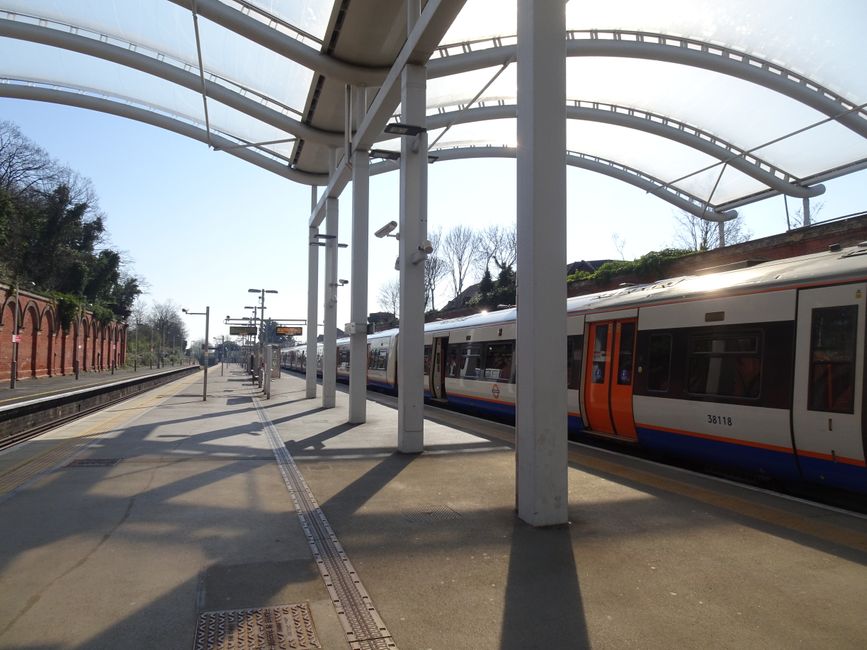
Ruislip Manor station area removals guide
If you are planning a move near Ruislip Manor station, you probably want two things: less stress and fewer surprises. Fair enough. A station-area move can be brilliantly convenient, but it also comes with its own quirks - narrow streets, timed access, stairs, parking pressure, and the usual last-minute stuff that always seems to appear the night before moving day. This Ruislip Manor station area removals guide is here to make the whole process feel more manageable, whether you are moving from a flat, a family house, or a small business space nearby.
In this guide, we will walk through how local removals typically work, what to plan for around the station area, how to choose the right service, and which mistakes tend to cause the most hassle. You will also find practical checklists, comparison advice, and a realistic example of how a move can be handled smoothly without turning the day into a scramble. Let's keep it clear, local, and properly useful.
Table of Contents
- Why Ruislip Manor station area removals guide Matters
- How Ruislip Manor station area removals guide Works
- Key Benefits and Practical Advantages
- Who This Is For and When It Makes Sense
- Step-by-Step Guidance
- Expert Tips for Better Results
- Common Mistakes to Avoid
- Tools, Resources and Recommendations
- Law, Compliance, Standards, or Best Practice
- Options, Methods, or Comparison Table
- Case Study or Real-World Example
- Practical Checklist
- Conclusion
- Frequently Asked Questions
Why Ruislip Manor station area removals guide Matters
Moves around a busy station area are not always difficult, but they are rarely simple either. Ruislip Manor has the kind of local layout where timing and access matter just as much as muscle. You may be dealing with on-street parking limits, shared entrances, smaller residential roads, commuters coming and going, or a building that needs careful lift management. One small oversight can snowball into delay, damaged furniture, or a very grumpy moving day.
That is why a location-specific removals guide matters. A general moving checklist is useful, sure, but it will not tell you how to think about access near the station, how early to reserve parking space, or when a smaller vehicle might be a better choice than a large van. Around rail links, flat conversions, terraced streets, and busy local routes, the details are what make the difference.
There is also a peace-of-mind angle. If you know what to expect, you can make better decisions about packing, loading, timing, and the type of removal service you need. That reduces the classic moving-day panic where someone is still untangling tape at 7:30 in the morning and asking where the kettle went. Not ideal.
Expert summary: local moves near Ruislip Manor station tend to run best when you plan for access first, choose the right vehicle second, and leave packing and parking to the last minute never. Not once.
How Ruislip Manor station area removals guide Works
Think of removals in the station area as a chain of small decisions rather than one big event. First comes planning. Then access checks. Then packing. Then loading. Then transport. Then unloading. Simple on paper, but each stage carries its own little traps.
In practical terms, a local removals plan usually starts with a survey of what needs moving, where it is coming from, and where it is going. A compact one-bedroom flat near the station may need a man-and-van style move, while a larger household with heavier furniture may need a bigger removal truck, more crew, or a full packing service. If you are handling an office or a mixed-use move, the structure becomes even more important because timing can affect neighbours, customers, and building access.
For many people, the best approach is to break the job into three zones: access, inventory, and timing.
- Access: Can the van stop nearby? Is there space for loading? Are there stairs, lifts, or tight turns?
- Inventory: What is actually moving? Large sofa, wardrobe, boxes, fragile items, appliances, dismantled furniture?
- Timing: Is the move happening during school runs, commuter peaks, or building access restrictions?
A good local moving plan also accounts for the small things that often get forgotten until the day itself. Keys. Parking permits. Floor protection. Where the boxes are stacked. Which items need to be loaded last and unloaded first. You do not need to overcomplicate it, but you do need to be organised enough that people are not improvising on the pavement with a sofa half out of a doorway. That sort of thing looks funny in hindsight. At the time, less so.
Key Benefits and Practical Advantages
A well-planned removals service around Ruislip Manor station can save time, reduce risk, and make the move feel much less chaotic. The obvious benefit is convenience, but the practical advantages go deeper than that.
- Less wasted time: Local knowledge helps avoid poor parking decisions and slow loading.
- Better handling of access issues: A team familiar with flats, maisonettes, and tight streets can plan more effectively.
- Reduced damage risk: The right equipment and loading order help protect furniture, walls, and door frames.
- More predictable costs: When the move is assessed properly, you are less likely to face awkward surprises later.
- Lower stress: A clear plan gives you breathing room, and that matters more than people admit.
There is another advantage that people often overlook: confidence. Once you know the move has been properly thought through, you stop second-guessing every detail. You can focus on the practical bits, like keeping pets calm, protecting fragile items, and making sure the new place is ready before the van arrives.
To be fair, not every move needs a big team or a complex setup. Sometimes a small removal van and a couple of careful hours are all it takes. But even then, planning wins. It always does, more or less.
Who This Is For and When It Makes Sense
This guide is useful if you live or work anywhere around Ruislip Manor station and you are preparing for a move in the near future. That includes first-time renters, families moving into a bigger home, downsizers, landlords turning over a property, and small businesses shifting premises or stock.
It also makes sense if your move sounds straightforward on the surface but has one of those "just one complication" details. You know the type. A third-floor flat with no lift. A narrow street with poor parking. A few heavy items that you cannot safely move yourself. Or a moving date that lands awkwardly between work commitments and school runs.
Here are the most common situations where a local removals plan helps:
- Flat moves: Especially where stairs, lifts, or shared access are involved.
- House moves: Useful when you need systematic packing and careful furniture handling.
- Student moves: Good for smaller budgets and fast turnaround times.
- Office or studio relocations: Helpful when downtime needs to be kept to a minimum.
- Single-item transport: Ideal for bulky furniture, pianos, or emergency furniture pick-up jobs.
If your move includes items that are awkward, fragile, or time-sensitive, then it is worth being more deliberate from the start. The right service can make an enormous difference. A slightly smaller move can still become a headache if it is treated casually.
Step-by-Step Guidance
Here is the simplest way to approach a move near Ruislip Manor station without losing the plot.
1. Make a proper inventory
Walk through every room and list what is going. Do not just count boxes. Note the oversized pieces too: beds, wardrobes, desks, white goods, mirrors, and anything awkwardly shaped. If an item needs dismantling, say so early.
2. Check access at both addresses
Look at parking, stairways, lifts, door widths, and how far the van may need to carry items. A move can be perfectly manageable in theory and annoying in reality if loading space is poor. A quick look outside both properties can save a lot of trouble later.
3. Choose the right type of service
Think about whether you need a full removals team, a man with van option, a removal van, packing support, or just transport for a few bulky items. The best choice depends on volume, distance, and how much heavy lifting you want to avoid.
4. Book early if your timing is tight
Station-area moves often cluster around weekends, month-end dates, and school holidays. If your schedule is fixed, do not leave the booking until the last minute unless you enjoy chaos. Some people do, apparently.
5. Pack by category, not by mood
Kitchen with kitchen. Bedroom with bedroom. Important documents in one clearly marked bag. Keep essentials aside for the first night. Charge cables, medication, basic tools, tea bags - yes, tea bags absolutely belong on the essentials list in Britain.
6. Prepare the property for loading
Clear hallways, protect corners if needed, and make sure the route from room to van is uncluttered. If the building has rules about lifts or loading times, follow them carefully. That part is rarely glamorous, but it saves arguments.
7. Keep fragile and valuable items separate
Label glassware, electronics, artwork, and sentimental items clearly. For very fragile pieces, take a moment to decide whether they should travel with you rather than in the general load. Sometimes the safest box is the one in your own car.
8. Confirm unloading priorities
When you arrive, decide what comes out first: beds, kettle, kids' essentials, or office equipment. A clear unloading plan makes the first hour in the new place feel calmer and more controlled.
Expert Tips for Better Results
A few small choices make removals noticeably smoother. In our experience, these are the details that separate a decent move from a properly easy one.
- Move heavy items before small clutter: It sounds obvious, but many people do the opposite and create unnecessary bottlenecks.
- Use colour labels for rooms: A simple colour system can help movers and household members identify boxes fast.
- Leave a clear walkway: Even a narrow clear route through each room can speed things up more than you expect.
- Take photos of cable setups: Before you unplug TVs, consoles, routers, or office kit, snap a quick picture. Future-you will be grateful.
- Keep screws and fittings together: Bag them, label them, tape them to the furniture if appropriate.
- Protect stair rails and door frames: Especially in older properties, those edges can be vulnerable when large items are moved through quickly.
One practical trick that helps a lot: pack a "first hour" box for each side of the move. On one side, that might include tape, marker pens, snacks, and a charger. On the other, it might include bedding, toiletries, and a mug you actually like. Little comforts matter when the day feels long.
And if you are moving on a rainy London morning - because of course you might - keep towels near the entrance. A bit of damp floor can become a slip hazard and a nuisance very quickly.
Common Mistakes to Avoid
The same errors show up again and again, and most of them are avoidable.
- Underestimating access problems: A place may look easy to reach until a van arrives and finds no proper loading space.
- Leaving packing too late: Rushed packing leads to breakages, confusion, and missing items.
- Choosing the wrong vehicle size: Too small means multiple trips; too large can be awkward near tight roads or limited access points.
- Not checking building rules: Some blocks have specific lift or moving-hour restrictions.
- Forgetting to label essentials: You do not want to spend the first evening hunting for the kettle, medicine, or children's school uniform.
- Overfilling boxes: Heavy boxes are harder to lift and more likely to fail at the worst possible moment.
Another common issue is assuming that "it's only a short move" means it will be easy. Short distances can still be awkward if access is poor or the item list is large. Distance matters, but it is not the whole story. Not even close.
Tools, Resources and Recommendations
You do not need specialist equipment for every move, but a few basic tools can make a huge difference.
- Strong moving boxes: Better than random supermarket boxes for heavier household items.
- Packing tape and marker pens: Simple, but essential.
- Bubble wrap or paper padding: Useful for crockery, frames, lamps, and ornaments.
- Furniture blankets: Helpful for protecting wood, glass, and upholstery during transit.
- Labels or coloured stickers: Great for room sorting and fast unloading.
- Basic toolkit: Screwdrivers, Allen keys, and a tape measure can save time when dismantling furniture or checking fit.
For service types, it is worth considering which solution fits your move best rather than simply choosing the first option you hear about. If you want a general overview of move types and support levels, the wider removals page can help frame the options clearly. For larger households, a fuller service such as house removals may be the better fit, while smaller, quicker jobs often suit man with van support.
If you are moving delicate or specialist items, such as a piano, it is worth looking at dedicated handling rather than assuming general transport will do the job safely. The same goes for packed flats, office items, or furniture that needs dismantling and reassembly. The right tool for the right job. Old-fashioned advice, but still true.
Law, Compliance, Standards, or Best Practice
For removals, compliance is mostly about safety, access, insurance, and being considerate of neighbours and building rules. You usually do not need to turn the move into a legal event, but a few standards are worth taking seriously.
First, safety. Heavy lifting should be handled properly, with enough people and suitable equipment. That is not just common sense; it is basic good practice. If a team is moving large furniture, they should use sensible manual handling methods and avoid rushed, unsafe lifting. If you are moving things yourself, be honest about what you can physically manage.
Second, insurance and item care. It is wise to understand what protection is offered for goods in transit and how damage claims are handled. This should be discussed clearly before the move starts. If you are transporting high-value or fragile items, ask for clarity rather than assuming everything is automatically covered.
Third, building access and local rules. Flats, managed blocks, and commercial premises can all have their own procedures for loading, lifts, parking, and noise. Following those rules matters because it helps avoid disputes and delays. No one enjoys an awkward conversation with a neighbour at 8 a.m., especially while carrying a mattress.
Fourth, environmental practice. If you have unwanted furniture or packing waste, choose responsible disposal and recycling where possible. It is sensible, and in many cases it keeps the move tidier overall. A good removals plan includes the aftermath, not just the transport.
If you want to understand how a company approaches these standards more generally, the site's health and safety policy, insurance and safety, and recycling and sustainability pages are useful reading. They give you a better feel for the way a move should be handled behind the scenes.
Options, Methods, or Comparison Table
Different moves need different approaches. A comparison can help you avoid overpaying for a service you do not need - or, just as importantly, underbooking and making the day harder than it needs to be.
| Option | Best for | Typical strengths | Possible drawbacks |
|---|---|---|---|
| Man and van | Smaller moves, single rooms, quick local jobs | Flexible, usually efficient, good for short notice | May not suit large households or bulky loads |
| Full removals team | Family homes, larger flats, more complex loading | More help, faster handling, better for heavy items | Usually more expensive than a basic van-only option |
| Packing and unpacking service | Busy households, time-poor movers, fragile contents | Reduces stress, more orderly boxing and unboxing | Adds cost, and you still need to sort essentials |
| Storage-inclusive move | Gap between move-out and move-in dates | Useful when dates do not line up neatly | Needs extra planning and clear labelling |
There is no single "best" choice. There is only the best fit for your actual situation. A student moving a few boxes should not pay for a whole-home setup, and a family with wardrobes and appliances should not rely on a tiny vehicle and wishful thinking.
If you are comparing service styles more broadly, useful starting points include flat removals for apartment-style moves, same-day removals for urgent situations, and storage if your dates do not line up neatly. For office situations, office removals or office relocation services may be more appropriate.
Case Study or Real-World Example
Here is a realistic scenario. A couple moving from a first-floor flat near Ruislip Manor station had a normal amount of furniture, a handful of fragile boxes, and one very awkward sofa that looked much smaller in the showroom. They assumed the move would be quick because the new place was only a short distance away. Reasonable assumption, but a bit optimistic.
Once they checked access properly, they realised the van could not park directly outside for long, and the building entrance was a little tighter than expected. Instead of pushing ahead blindly, they split the job into two parts: larger items first, then the rest. They also labelled all boxes by room and prepared a first-night bag with bedding, toiletries, chargers, and a kettle. Sensible, almost boring, which is exactly what you want.
On the day, the loading ran smoothly because the route had already been cleared and the fragile items were isolated early. The sofa still needed careful manoeuvring - it always does, doesn't it? - but the move stayed calm because the main friction points had been handled before the van arrived. No drama, no frantic searching, no panic over missing essentials. That is the kind of outcome you want.
The lesson is straightforward: the move itself is only one part of the job. Preparation is what makes it feel easy.
Practical Checklist
Use this checklist in the run-up to your move near Ruislip Manor station.
- Make a room-by-room inventory.
- Measure large furniture and awkward items.
- Check access, stairs, lifts, and parking at both addresses.
- Confirm moving date, time, and expected arrival window.
- Choose the right service type for the size of your move.
- Ask about insurance, handling, and any special item requirements.
- Collect boxes, tape, labels, and packing materials early.
- Pack essentials separately for the first 24 hours.
- Label fragile boxes clearly.
- Disassemble furniture where helpful and keep fittings together.
- Notify building managers or neighbours if needed.
- Prepare payment details and final instructions in advance.
- Check that keys, documents, and chargers are not packed away by mistake.
Quick reminder: if you are already behind schedule, do not try to solve everything at once. Focus on the non-negotiables first - access, essentials, and the biggest items.
Conclusion
A good move near Ruislip Manor station is rarely about luck. It is about the quiet, practical stuff done well: checking access, packing sensibly, choosing the right vehicle, and keeping the day organised enough that nobody is guessing under pressure. Once those basics are in place, everything else becomes much easier.
This Ruislip Manor station area removals guide has covered the main planning points, the common pitfalls, and the service choices that tend to matter most locally. Whether you are moving a small flat, a family home, or an office space, the real aim is the same: get everything there safely, on time, and with as little stress as possible.
If you are still deciding on the right level of help, take a moment to compare your access, the size of your load, and how much support you actually want on the day. That bit of honesty saves a lot of hassle later. And honestly, a calm move is worth a great deal.
Get a free quote today and see how much you can save.
Frequently Asked Questions
What is included in a Ruislip Manor station area removals guide?
It usually covers local access considerations, packing advice, service options, timing, and practical moving tips tailored to the station area. The aim is to help you plan a smoother move with fewer surprises.
Is a man with van service enough for a move near Ruislip Manor station?
It can be, especially for smaller flats, student moves, or single-room jobs. If you have bulky furniture, multiple floors, or lots of boxes, a fuller removals service may be more suitable.
How far in advance should I book a removals service?
As early as possible if your date is fixed. Busy times like weekends, month-end, and school holidays tend to fill quickly. If you are moving soon, it is better to ask early than to leave it late and hope for the best.
Do I need to arrange parking for moving day?
Often, yes. Around station areas, parking can be limited or awkward, so it is sensible to check what space is available and whether any permissions or arrangements are needed before the van arrives.
What should I pack separately for moving day?
Keep essentials aside: chargers, medication, toiletries, snacks, documents, basic tools, and a change of clothes. If you are moving with children or pets, include their immediate needs too. It makes the first day far easier.
How do I know whether I need packing services?
If you are short on time, have fragile belongings, or simply want less stress, packing support can be very worthwhile. If you have already packed carefully and only need transport, a simpler service may be enough.
Are removals near the station more expensive?
Not automatically, but access issues, stairs, waiting time, and larger loads can affect the overall quote. The key is to describe your move accurately so the service matches the job properly.
What happens if my move-in and move-out dates do not line up?
Storage can help bridge the gap. If your dates are awkward, it is worth asking about short-term storage options early so you are not rushing at the last minute.
Can I move furniture myself and only hire transport?
Yes, for some smaller moves that works well. Just make sure you have enough people to lift safely and that the vehicle size suits your items. A too-small van turns one simple job into three annoying ones.
What should I ask a removals company before booking?
Ask about access handling, insurance, timing, packing support, vehicle size, and what is included in the quote. A good provider should be able to explain things clearly without making it all sound vague.
How can I reduce the risk of damage during the move?
Use sturdy boxes, label fragile items, protect furniture, and keep walkways clear. It also helps to dismantle large items where appropriate and to separate valuables from the general load.
Is office moving around Ruislip Manor different from home removals?
Yes, mainly because timing and downtime matter more. Office or business moves usually need tighter coordination, careful handling of equipment, and a plan for getting work restarted quickly.
What is the best first step if I am feeling overwhelmed?
Start with the inventory. Once you know what is moving, everything else becomes easier to plan. Then check access, decide on the service type, and work outward from there. Small steps, properly done, tend to calm everything down.